You must have routine sanitation based upon risk factors, food processing capacity, allergen concerns, and regulatory checks, combined with verification documentation demonstrating HACCP compliance, regulatory audits, and public health standards. The information below detail critical cleaning system elements.
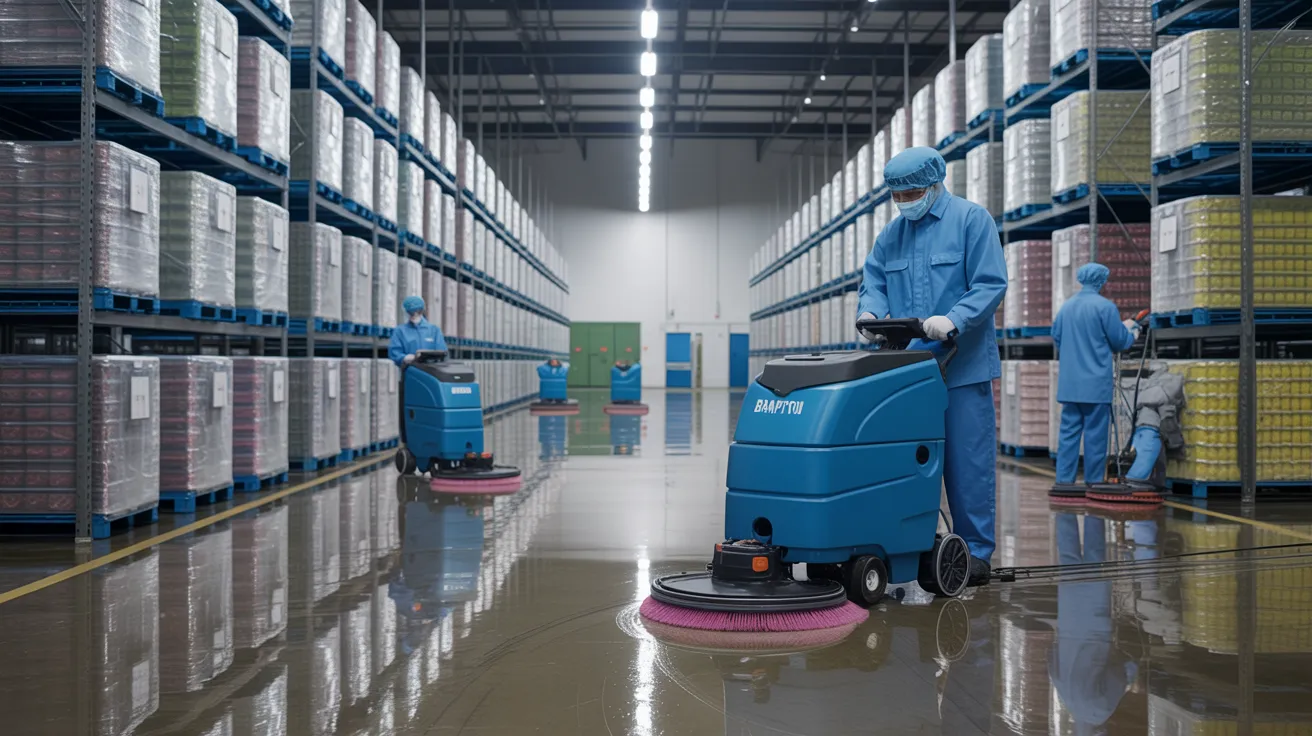
Important Highlights
- Brampton sanitation experts assist restaurants, grocery departments, commissaries, warehouses, bakeries, schools, mobile vendors, and allergen-sensitive operations.
- High-touch surfaces, food-contact equipment, kitchens, floors, drains, restrooms, and storage areas are cleaned using sectional methods to eliminate cross-contamination.
- Certified specialists confirm proper chemical concentration, alignment, and contact time, then record completion with tests, inspections, and corrective-action records.
- Daily, recurring, and cyclical tasks allocated by zone constitute hygiene schedules built on threat, output capacity, transitions, accidents, and requirements.
- Highlight vendors exhibiting hazard analysis knowledge, health regulatory knowledge, safety training preparation, coverage, credentials, color-coded tools, and audit-ready cleaning records.
Brampton Venues That Need Food Safety Cleaning: Which Ones?
You must follow food safety cleaning if your operation is covered by health inspections, food codes, or HACCP protocols. This covers food venues, break rooms, food centers, supermarket areas, butcheries, seafood displays, shops, and commercial food prep.
Adherent sanitation standards is essential in supply warehouses, processing plants, freezer locations, commercial bakeries, school food programs, reception facilities, and food delivery centers. Seasonal and mobile businesses count too, examples being food trucks, event sellers, and temporary stalls. Your facility needs established hygiene documentation should your workers work with ingredients, section ready-to-serve foods, heat finished items, or maintain allergen storage. In Brampton, hygiene stays optional; it represents regulatory, business, and safety compliance.
Which Areas Do Brampton Cleaning Experts Cover?
Professional cleaning services specializing in Brampton disinfect high-contact surfaces, food preparation areas, ground surfaces, and restrooms to satisfy food safety standards and health requirements. Emphasis on these spaces stems from extreme cross-contamination risk, injury hazards, and possible regulatory violations.
If you comprehend their cleaning services, you'll be able to confirm your operation satisfies required operational and regulatory standards.
High-Touch Surface Sterilization
assign how regularly each background information area is sterilized
in cases where results fall outside acceptable limits. Furthermore, they eliminate secondary contamination by swapping towels, implementing unidirectional procedures
Food Prep Areas, Flooring, and Sanitary Facilities
Expect Brampton cleaning experts to target kitchens, floors, and restrooms because each area carries distinct foodborne illness prevention, slip-and-fall, and sanitation risks. In industrial kitchens, you need degreasing on cook lines, equipment exteriors, drains, prep surfaces, and splash zones to reduce bacterial growth and pest activity.
Floor care that is recorded should also be anticipated. Technicians clean and remove buildup from grout, tile, and vinyl flooring, then apply appropriate drying controls so you can limit falls and meet regulatory standards. They also handle entry points where dampness and dirt enter the building.
Restroom cleaning requires disinfecting touchpoints, fixtures, partitions, dispensers, and waste containers, replacing items and managing smells. They also service restaurant moprooms, where chemical storage, sink hygiene, and drainage conditions can affect sanitation compliance and staff safety daily.
Food Safety Cleaning Significance for Brampton Businesses
To comply with regulatory mandates and pass inspections, Brampton facilities must maintain appropriate cleaning protocols. You also minimize cross-contamination by cleaning and sanitizing food-contact surfaces, equipment, and high-touch areas correctly. Most importantly, you safeguard public health by lowering the risk of foodborne illness in your facility.
Sanitary Standards Adherence
Since Brampton food operations must follow strict public health standards, your food safety cleaning directly affects your capability to fulfill health codes, defend diners, and prevent regulatory penalties. You must maintain clean food preparation areas, written maintenance records, proper chemical use, and verifiable staff procedures that meet municipal and provincial inspection expectations.
Thorough sanitation documentation help you to prove due diligence during official assessments and demonstrate your operations remain reliable, replicable, and overseen. Strong cleaning protocols further supports allergen reduction by minimizing buildup on joint machinery and frequently touched surfaces.
Cross-Contamination Prevention
Maintaining health code standards copyrights on your power to stop cross-contamination during everyday food preparation and sanitation. You need to partition uncooked items from finished dishes, sterilize work zones between assignments, and position cleaning agents away from food surfaces. Explicit protocols lower contamination threats and reinforce steady regulatory adherence.
Implementing allergen separation helps ensure major allergens don't touch shared surfaces, containers, or equipment. Utilize separate boards, color-labeled items, and clear tool marking so staff don't mix items while preparing or distributing. Require handwashing after handling fresh proteins, aquatic items, egg products, or allergen materials. Replace wiping cloths regularly, and validate disinfectant levels using test strips. When you train staff to follow these controls every shift, you create a cleaner, safer operation that satisfies Brampton's food safety needs daily.
Public Health Defense
Should food safety cleaning break, you don't simply risk a failed inspection—you increase the potential of foodborne illness harming customers, staff, and the wider Brampton population. You also weaken your role in protecting public health, especially in busy food facilities where contamination can spread quickly through surfaces, equipment, and touchpoints.
You require cleaning protocols that eliminate soils, sanitize effectively, and validate outcomes. This involves maintaining exposure durations, using authorized sanitizers, documenting procedures, and educating staff to meet health-unit expectations. These measures prevent pathogen control by decreasing microbial counts before contaminating food or hands. Throughout Brampton, strong cleaning safeguards susceptible populations, minimizes disease potential, and proves accountability. When you follow proper protocols, you go beyond requirements—you mitigate risk and facilitate secure food handling region-wide.
In What Ways Does Cleaning Help Achieve Food Safety Compliance?
Prioritizing thorough cleaning protocols secures food safety compliance by decreasing contamination threats, preventing pathogen multiplication, and positioning your facility in accordance with sanitation requirements under HACCP-based programs and public health regulations. You confirm that food-handling surfaces remain visibly clean and microbiologically controlled, supporting documented preventive controls and inspection readiness.
Cleaning efforts additionally fortify allergen mitigation by extracting residues that can lead to undeclared allergen exposure.
When Do You Schedule Commercial Cleaning?
cleaning routines or between shifts wherever food contact surfaces, restrooms, and high-contact zones
Separate your periodic work from routine cleaning
How Do You Choose Brampton Cleaning Experts?
Begin by evaluating providers based on sanitation compliance standards—not solely on price alone. You should confirm that each organization comprehends CFIA, public health, and HACCP-aligned expectations applicable to your facility. Request proof of insurance, WHMIS compliance, staff training documentation, and oversight procedures. Assess whether technicians recognize cross-contamination risks, chemical handling protocols, and verifiable sanitation records.
You should also assess operational reliability and responsibility. Request references from food facilities in Brampton, then examine turnaround periods, corrective-action procedures, and communication standards. Confirm the company participates in supplier audits and can present inspection-ready documentation when regulators or third parties request evidence. Check whether equipment maintenance is performed, colour-coded tools are used appropriately, and site-specific hazards are recognized. A competent service protects regulatory adherence, product integrity, and your brand reputation.
What does a Food Safety Cleaning Plan consist of?
Document a framework that defines every sanitation activity, guideline, and role before production begins. You should record cleaning frequencies, approved chemicals, dilution rates, contact times, tools, and verification methods for each zone, surface, and piece of equipment. Ensure you include pre-operational inspections, corrective actions, and employee training requirements.
Your plan should also tackle prevention of contamination, waste management, pest-control tactics, and scheduled records for facilities, drains, flooring, and food-preparation surfaces. Outline how you'll separate raw and ready-to-eat processes, support ingredient tracking, and keep accurate allergen labeling through validated cleaning between product changes. You should establish accountability, document signed records, and evaluate results against regulatory standards, HACCP controls, and customer requirements. When gaps appear, update procedures immediately and instruct staff.
Commonly Asked Questions
Are cleaning services available for nighttime operations in Brampton facilities?
Yes, you can contract sanitation providers to manage nighttime operations in Brampton facilities. You'll manage overnight sanitation around production schedules, access requirements, and staffing levels. Providers generally establish nightshift logistics to minimize interruption, maintain standards, and document finished tasks. You should confirm timeframes, oversight, lockout protocols, and waste management before service starts.
Are emergency spill response services available from sanitation professionals?
Yes, you can find many Brampton cleaning professionals offering emergency response services. They manage hazardous materials, evaluate risks, contain affected areas, and perform swift decontamination to minimize risk and limit operational impact. You should verify response times, training credentials, safety measures, and disposal methods. If your facility needs compliance, pick a provider that logs events, follows procedures, and supports audits.
Are environmentally safe disinfectants secure for food-handling equipment?
Yes, green disinfectants can be suitable for food-handling equipment if you pick solutions certified for food use and regulatory compliant. You should verify contact duration, concentration levels, and rinsing needs before application. Many natural-based solutions decrease chemical burden, but you still need evidence of effectiveness against relevant pathogens. To preserve residue-free areas, you should adhere to precise manufacturer instructions and ensure the cleaning agent complies with food sanitation requirements.
Can sanitation programs adapt with seasonal variations?
Without question, sanitation programs adjust easily for seasonal variations. Adjust timing, labor allocation, chemicals, and validation steps to fit seasonal workflows while preserving regulatory adherence. Minimize equipment downtime by timing sanitation amid equipment transitions, peak volumes, and usage cycles. Also update procedural documents, instruction programs, and environmental testing to reflect temporary risks, new allergens, or increased soiling. Ongoing evaluations ensure the program functional.
Are professional cleaning companies offering staff training on hygiene protocols?
Absolutely, commercial cleaners regularly deliver employee education on hygiene standards. Your staff gets instruction on proper chemical use, contact times, cross-contamination prevention, equipment disassembly, and paperwork. They typically align guidance with HACCP, GMP, and CFIA or regional health authority requirements. Many conduct sanitation audits to ensure adherence, pinpoint weaknesses, and strengthen corrective measures. This enables you to sustain uniform standards, pass inspections, and reduce food safety risks consistently.
Conclusion
By partnering with Brampton food safety and commercial cleaning professionals, you aren't just organizing—you keep your operation compliance-focused and your practices in compliance. From production areas to kitchen zones, every sanitized surface and organized space reduces pest risk and avoids expensive losses. By arranging service on the right schedule and following a documented cleaning plan, you protect your team, customers, and your standing. In a heavily controlled environment, hygienic conditions are mandatory—they're key to business compliance.